
I used to be suspicious of brain breaks. Not because kids don’t need them — you can watch a Year 5 class’s collective attention fall off a cliff about twenty-five minutes into anything — but because every brain break I tried cost more than it gave. A “quick” dance video became a ten-minute negotiation about which video. A game of heads-down-thumbs-up produced three disputes and one nosebleed. The break took five minutes; the recovery from the break took ten.
What I use now is a small rotation of projected games from the Boardee arcade that share three properties: they start in under thirty seconds, they end cleanly when I say they end, and they leave the class facing the board rather than bouncing off the walls. Here’s the rotation, and — more importantly — the routine around it.
The rules that make breaks work
Before the games, the frame. Three rules, learned the hard way:
1. The break has a visible clock. I put a five-minute timer on the board next to the game before we start. When it ends, the game ends — mid-round if necessary. This sounds harsh and it’s the single most important rule: it’s the difference between a brain break and a lesson hijack. The class accepted it fast because the timer, not me, is the bad guy.
2. Games are whole-class and zero-setup. No handing anything out, no moving furniture, no picking teams (or if teams, the fastest possible split: this half of the room vs. that half). The moment a break requires logistics, it stops being a break.
3. Back-to-work is part of the game. The last instruction of every break is the first instruction of the next task: “When the timer ends — pencils, page 34, question 6.” Naming the re-entry before the fun, not after, is what stops the post-break drift.
The rotation
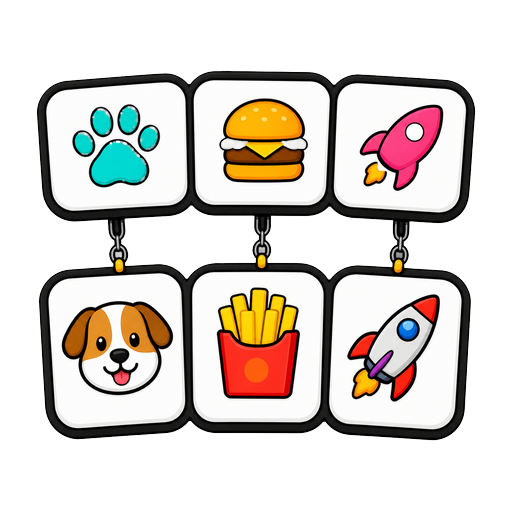
Guessmoji — the crowd-pleaser
Guessmoji shows a string of emoji and the class guesses the phrase they spell out — film titles, book characters, idioms, or (the sneaky version) vocabulary from your current unit. It’s my most-requested break by a mile.
What makes it work as a break is the shape of it: thirty seconds of staring silence, then a burst of shouted guesses, then the reveal. Loud, then done. I run three or four puzzles and we’re out in five minutes flat. When I generate a set from our topic — I typed “emoji puzzles about the Romans” and had a full set in under a minute — it’s technically revision, but nobody has noticed yet and I’m not going to tell them.
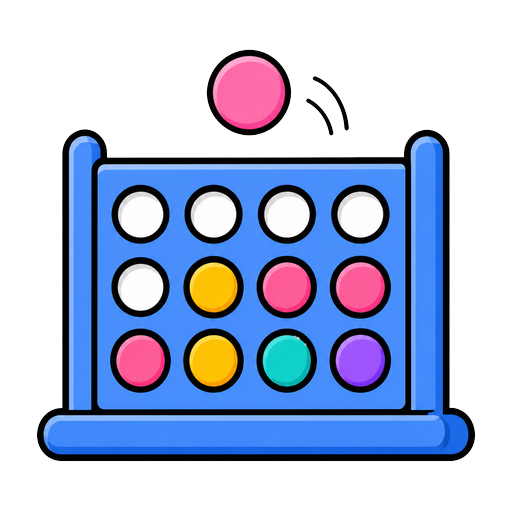
Drop4 — the strategic breather
Drop4 is connect-four on the big screen, and it’s my calm break — the one I use when the class is frazzled rather than sleepy. Two halves of the room take turns; each side gets ten seconds of whispered conference before their column is chosen (spin the name picker for whose finger does the choosing, which keeps it fair and adds a little theatre).
The genius of a turn-based game as a brain break is that it’s engaging and quiet at the same time. Thirty kids leaning forward, hissing “not that column!” at their teammate, is about as good as after-lunch gets.
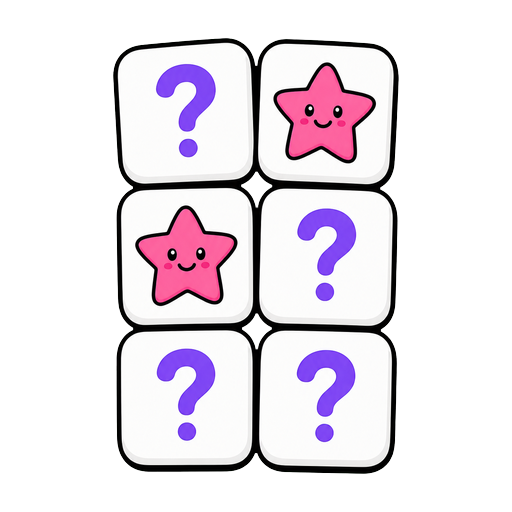
Memory Tiles — the stealth revision break
Memory Tiles is pairs: a grid of face-down tiles, find the matches. Loaded with anything from your week — French words and their meanings, times-table facts and answers — it’s the break that quietly pays rent. I run it as whole-class turns: the wheel picks a child, they call two tiles, the room groans or cheers.
Honest note: a full board takes more than five minutes, so for breaks I use a small grid. Big grids are for Friday afternoons.
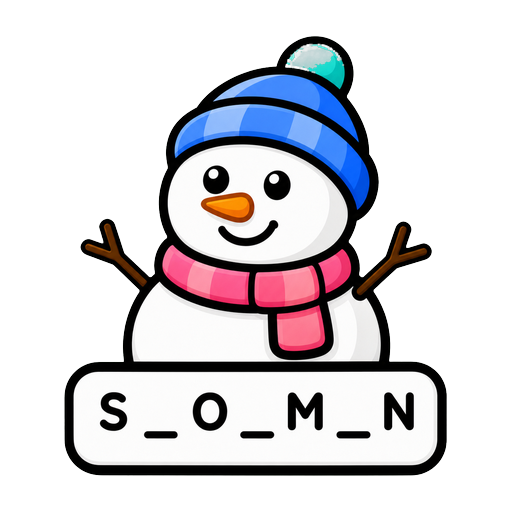
Snowman — the zero-prep classic
Snowman is hangman with a friendlier mascot, and it’s the break I reach for when I have nothing prepared, because I can type a single word from today’s lesson in ten seconds and we’re playing. Guess-a-letter, whole class, one round, done. If your break needs to happen right now — you can feel the wheels coming off mid-lesson — this is the one.
Categories — for the older ones
With my Year 6 set I sometimes run Categories, the Connections-style puzzle where sixteen words hide four groups. It’s a genuine thinker, so I frame it differently: the class discusses in table groups, then we vote on a group to submit. One puzzle fits neatly in five minutes and it produces the best arguing-about-words I hear all week.
Keeping score without keeping grudges
A running class-vs-class or half-vs-half tally makes breaks better — until it makes them worse. My compromise: I keep a scoreboard widget docked next to the games, but scores reset every Friday and the “prize” is only choosing Monday’s break game. Big enough to care about, small enough that losing costs nothing. The one term I let a scoreboard run for six weeks, the trailing team stopped wanting breaks at all, which rather defeats the purpose.
When to call a break (and when not to)
The timing rule I trust: break at the seam, not at the collapse. If I wait until the class has fully dissolved, the break becomes a reward for dissolving. So I break at natural joints — after the input, before the writing; between the second and third rotation — roughly every 25–30 minutes for upper primary, and I’ll pull it two minutes early if I can see the seam approaching.
And the honest tradeoff: some lessons don’t need one. A class deep in flow doesn’t want rescuing. The five-minute game is a tool for the flat stretch of the day — for me that’s 1:45pm, reliably, like a tide — not a ritual to perform whether or not anyone’s drowning.
Starting cheap
Everything above runs free on boardee.app with no login and no student devices — the games project on your whiteboard and the class plays as a room. My whole setup is one saved board: timer, name wheel, scoreboard, and the arcade a click away. Set-up cost on a Tuesday when the wheels are wobbling: about twenty seconds. Which is roughly nineteen seconds less than it takes a Year 5 to notice you’ve lost them.