

Like half the teaching profession, I got hooked on Wordle in the great green-square winter, and like half the teaching profession, my second thought was: my class would love this. My third thought was the problem — the real thing is one word a day, the same for everyone, and never the word I actually want my students practising.
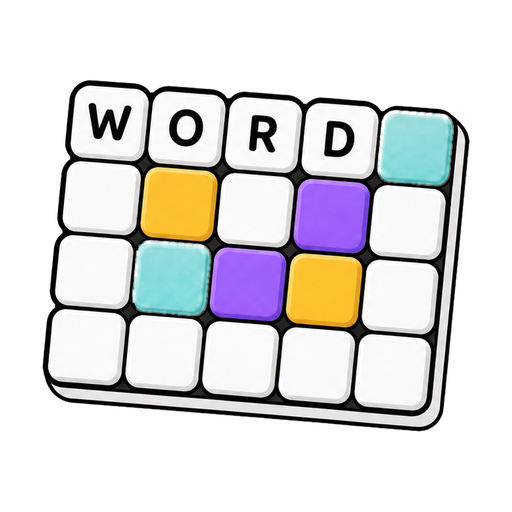
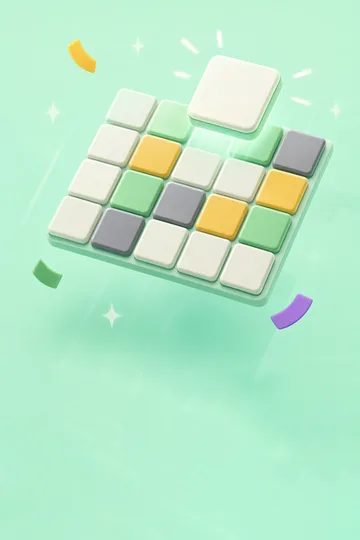
Wordee is the classroom-shaped version of that itch: the same guess-the-word, green-yellow-grey deduction game, except I choose the words (or type a topic and let the AI draft a list), the word can be any length, and we can play as many rounds as the timetable allows. Two years of daily-ish use later, here’s how it actually runs in my room, and how I’d tune it for different ages.
Why this game earns its five minutes
It’s worth being clear about what Wordee practises, because it isn’t just spelling.
Every guess is a hypothesis. The feedback — this letter’s right, this one’s in the word but misplaced, this one’s dead — forces exactly the kind of orthographic reasoning we’re always trying to provoke: what letters go together? If the A is second, what could come first? We’ve killed E and I, so what vowel is left? I’ve heard more spontaneous phonics talk during Wordee rounds than in any lesson I’ve planned for the purpose. Kids argue about vowel digraphs voluntarily. It’s unnatural and wonderful.
The deduction is also genuinely whole-class. Unlike a quiz question, where one child answers and the rest spectate, everyone reads the same clues and everyone’s next guess improves. The kid who can’t spell the word still contributes “it can’t be TRAIN, the T is grey.”
The daily routine
Ours runs at 8:55, straight after the register, and takes six minutes:
- The word is loaded the night before — thirty seconds of my time, usually straight from the week’s spelling or topic list. On my Boardee board the game sits docked next to the timer, so morning setup is literally clicking it open.
- Guesses come from the class, one at a time, via the name wheel. This matters — without it, Wordee becomes the property of your three fastest spellers. The picked child may take one whispered suggestion from a neighbour, which keeps the anxious ones safe and the room collaborative.
- Between guesses: thirty seconds of pair talk. “What do we know now?” This is where the actual learning lives. The guess is just the vote at the end of the reasoning.
- After the solve, one connection question. What does it mean? Where did we meet it this week? Can someone use it in a sentence about our topic? One minute, no more — this is the bit that turns a puzzle into vocabulary work.
Six guesses, six minutes, and everyone’s brain is switched on before 9am. As morning-work routines go, the cost–benefit is absurd.
Tuning it by grade
Early elementary (grades 1–2 / Year 1–2). Keep words to three and four letters and pull them straight from your phonics sequence — CVC words, then words with the digraph of the week. Play open-hands: I fill in the guesses, the class supplies the letters chorally, and we sound out every guess before submitting. At this age the win is letter-sound talk, not deduction strategy, so I’ll happily give a picture clue after guess three. (For this age group, honestly, Snowman is the gentler sibling — guess-a-letter is one less layer of logic — and I alternate the two.)
Upper elementary (grades 3–5 / Year 3–6). The sweet spot. Five-letter words from spelling patterns and topic vocabulary, full deduction rules, wheel-picked guessers. This is where you can start teaching strategy explicitly: what makes a good first guess, why wasting a turn on known-grey letters hurts. My Year 5s maintain a solemnly-argued-over list of approved openers.
Middle school. Go longer — six to eight letters — and go subject-specific: EROSION, TUNDRA, ISOTOPE. Longer words are actually easier to deduce but harder to spell, which is precisely the trade you want at this age. This is also where a weekly ladder works: five words across the week, tally the class’s total guesses, try to beat last week’s score. Cohort vs. itself, not child vs. child.
High school. Wordee makes a shockingly good do-now for terminology-heavy subjects. A science colleague runs a two-minute round as her settling activity — the word is always drawn from the current unit, and solving it earns the class the definition question on the board. Her line: “It’s retrieval practice wearing a disguise.” Words like CATALYST and MEIOSIS are ideal — long enough to be deducible, technical enough to justify the airtime.
Mistakes I made so you don’t have to
Don’t pick obscure words to be clever. The game dies if the target isn’t solvable from the class’s actual vocabulary. The best word is one they’ve met but not mastered — that’s also, not coincidentally, the word most worth practising.
Don’t let it run long. Wordee is a starter, not a lesson. When a round stalls, I reveal a letter and move on. Ten minutes of one word teaches less than six minutes of one word plus four minutes of the follow-up conversation.
Don’t skip the meaning step. Without the one-minute “what does it mean, where do we use it” close, you’ve done a fun spelling puzzle. Fine, but the vocabulary payoff lives in that last minute.
Watch your fast finishers. The two kids who solve it mentally by guess three need a job: mine become “letter accountants” who track which letters are eliminated, announcing the state of play between guesses. Status, involvement, and it visibly helps everyone else.
The extended family
When the daily word needs a change-up, the same word-game muscle transfers: Grid Words for boggle-style word-hunting when I want breadth over depth, and a topic word search as a calm Friday variant. All of it runs projected, no student devices, no accounts — the class plays as a room, which is exactly how a five-minute word ritual should feel.
Two years in, the surest sign it’s working: on the rare morning I skip it, they notice before I’ve taken the register. Nobody has ever chased me down a corridor about a spelling worksheet.